

EDS & Chiropractic Care: Gentle Support for Flexible Bodies
Ehlers-Danlos Syndrome (EDS) is a condition that affects connective tissue. Connective tissue acts like the "glue" that holds the body together. In people with EDS, the body’s recipe for this glue is missing a few key ingredients.
While this isn't something that can be fixed with a pill, there are many gentle ways to manage symptoms and help patients feel better every day.
Understanding Hypermobility (hEDS)
There are 13 types of EDS, but this practice focuses mainly on the hypermobility type, known as hEDS.
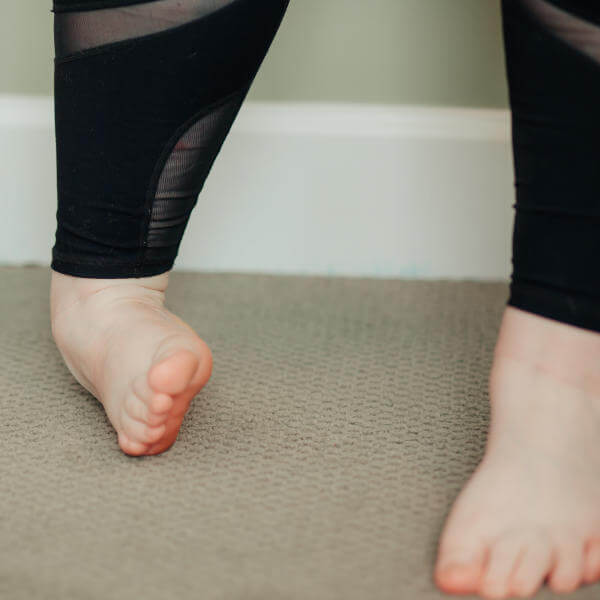
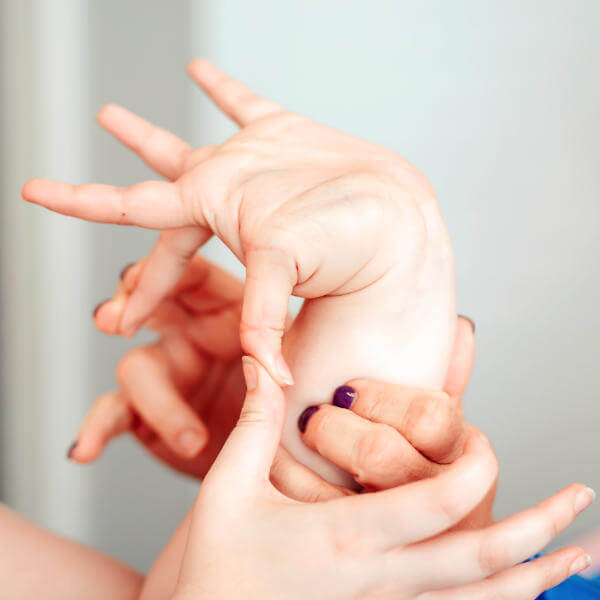
Individuals with hEDS often find that their joints move much further than they should. They may have been called "double-jointed" as children. Other common signs include:
-
The Beighton Scale: This is a simple test used to see how far the elbows, knees, and fingers bend.
-
Skin and Joints: Patients may have very soft skin or the ability to touch their palms flat to the floor without bending their knees.
-
Feeling "Clumsy": Because ligaments are stretchy, the brain sometimes loses track of where the limbs are in space. This can lead to frequent trips, falls, or sprained ankles.

Is Chiropractic Care Safe for EDS?
There is a common myth that people with EDS should avoid chiropractors. The truth is that chiropractic care can be very helpful—as long as the doctor truly understands EDS.
Because the tissues are more fragile in EDS patients, Dr. Cynthia uses a specialized approach:
-
Gentle Methods Only: She uses light tools (like the Activator) or soft pressure instead of heavy manual adjustments.
-
Focus on Stability: The goal is to help the brain and body communicate better so the patient feels more stable and less "clumsy."
-
Muscle Support: Myofascial release is used to calm down muscles that are spasming because they are working too hard to hold the joints together.

Note: If a joint fully pops out (dislocation), the office will refer the patient to an MD or Urgent Care to make sure it is handled safely.
Dr. Cynthia's Special Approach
Dr. Cynthia has deep personal experience with EDS and Dysautonomia—these conditions run in her own family. She understands the unique challenges her patients face.
-
Time to Heal: She usually adjusts EDS patients no more than once a week. This gives the body extra time to rest and "soak in" the treatment.
-
Micro-current Therapy: This is a favorite for many EDS patients. It uses tiny, painless electrical pulses to relax muscles and calm the vagus nerve. This helps move the body out of "fight-or-flight" mode and into a state of "rest and digest."
A Supportive Path Forward
Living with EDS can feel lonely and frustrating. This practice is dedicated to offering care that truly understands the condition. The goal is to help patients find stability, reduce their pain, and feel more in control of their health.
For those living with hypermobility, Dr. Cynthia offers a gentler way to heal. She works with her patients to help their bodies feel like a safer, more comfortable place to be.