Continuing Education


This month, Dr. Cynthia will be attending lectures and training to help expand her knowledge on Functional Neurology and working with Dysautonomia patients. While she already works very hard to find the best solutions for these patients, science and research is always growing and we are always learning more. She finds that continuing education is so important to what she does to truly give her patients the best experience possible. 
.
.
.
#drcsee #drcynthia #functionalneurology #dysautonomia #continuingeducation #painfree #fusionchiro #fusionchiropractic #chiropractor

functiona_neurology_copy.jpg

Do you feel it???


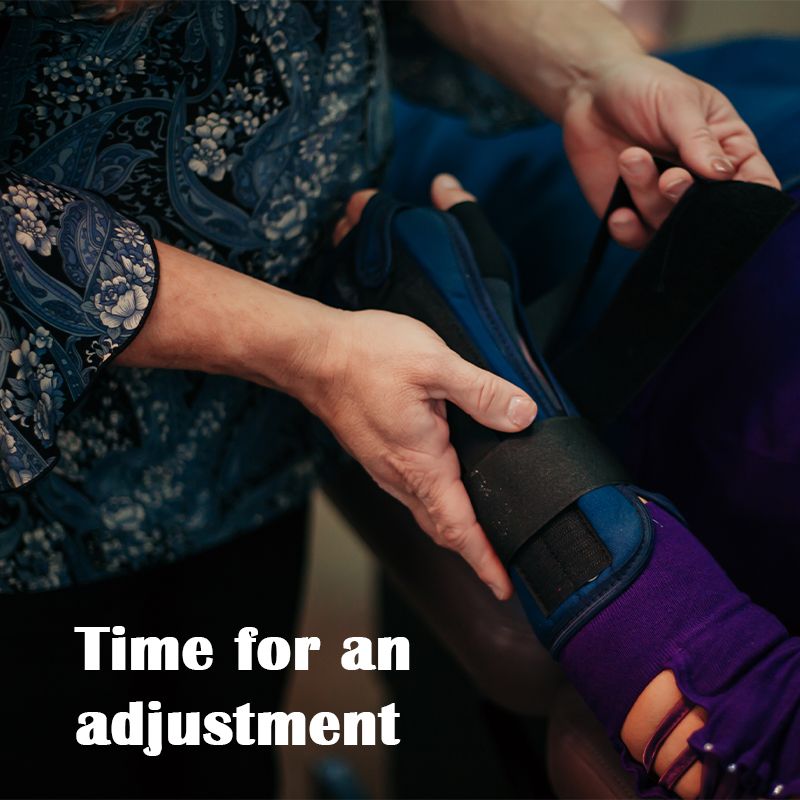
Time for your next adjustment? Your body will always tell you when it’s ready. It’s so easy to grab your next appointment right from our website!
fusion-chiro.com/new/
.
.
.
#painfree #chiropractor #drcsee #drcynthia #fusionchiro #fusionchiropractic #timetogetadjusted #onlinebooking #newappointment #chronicpainsurvivor

adjustmentss_copy.jpg

How to balance vata in your yoga practice

Fusion Chiropractic and Dr. Cynthia Seebacher D.C. are not offering free medical advice. Any information in the links provided are the opinion of the writer of the article. If you have questions please contact my office at 404.838.8985 — How to balance vata in your yoga practice https://bit.ly/3ELqf5b #ChiroCare #FusionChiropractic #YourHealthMatters

attachement

Relaxation

Hypno Therapy with Dr. Cynthia, D.C.

Transformation Space

Relaxation

Relaxation: This is great introduction to relaxation through hypnosis. If you’ve never had a hypnotic experience before, start with this. Give yourself about 25 minutes of quiet time. Sit or lay in a comfortable position with your favorite ear buds or headphones. Just listen and relax. Even if you happen to fall asleep or forget to pay attention, it’s okay. Your subconscious mind hears everything and you will automatically remember how to relax the next time you listen.

Anti-Stress Abdominal Breath Transcript

Let’s start by taking a very deep breath. Inhale. Now exhale.

Did you notice if your chest and shoulders stiffened up and rose up towards your ears?

Did you notice maybe you were biting down and clenching your jaw? Maybe your neck stiffened up?
Now, just simply push your tummy out and notice how you automatically suck air into your lungs. The reason for this is the negative pressure created when you push your belly out. Your diaphragm drops down creating a negative pressure in your chest, which automatically expands the lungs, sucking in air.
The lungs have five lobes and when you take a very deep breath, you actually only bring air into the two upper lobes of the lungs. The reason is because you’re pulling you tummy in rather than pushing it out. The two lower lobes of the lungs have more blood vessels; therefore more oxygen can get into the tissues.

Oxygen is relaxing and healing and allows a major decrease in stress.

So now, when you take a deep breath in, imagine your belly getting bigger. We’ll call this the Buddha Belly. And now, when you let all that air out of your lungs, feel your belly button move towards your spine, hollowing out your belly.

The Vagus nerve runs through your diaphragm and when your diaphragm is hyper stretched, as in Buddha Belly, it activates the Vagus nerve, which stimulates anti-stress hormones. The Vagus nerve is the primary nerve in the Parasympathetic Nervous System, which is the Rest and Digest part of the Autonomic Nervous System. This is the automatic part of the nervous system.

By taking the abdominal breath, as taught here, at least once per hour, will create significant changes in your stress level. The best way to do this is to breathe in for a count of three, hold the breath three counts and breathe out for six counts, and do this hourly. Also, find some time in the day when you can take ten breaths just like this. This type of breathing is a major component of your success.